

India's Electronics Manufacturing Growth Is Increasing the Need for Engineered Plastic Components
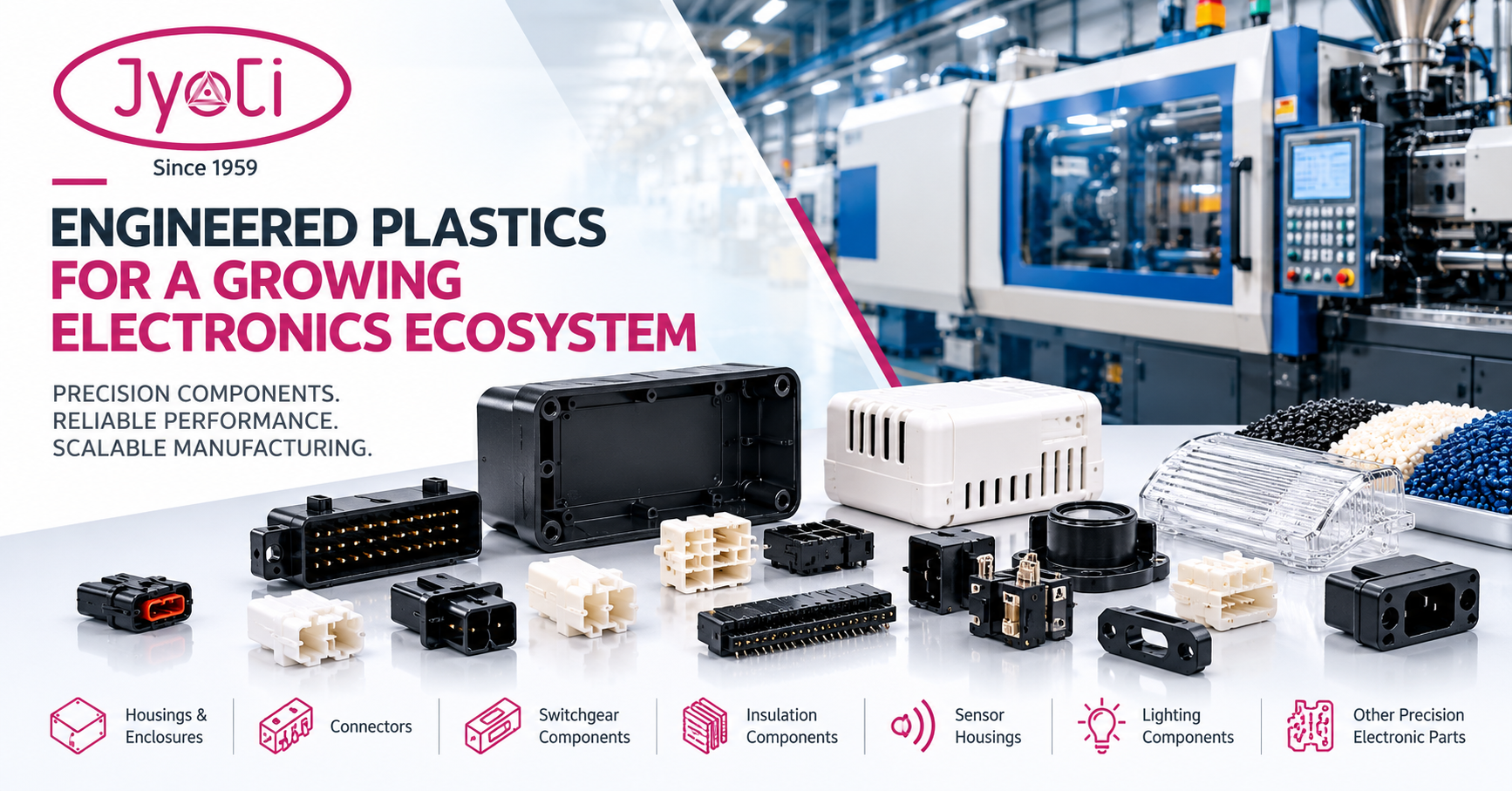
Engineering plastics are increasingly used in electronic housings, enclosures, connectors, insulation components and other precision applications.
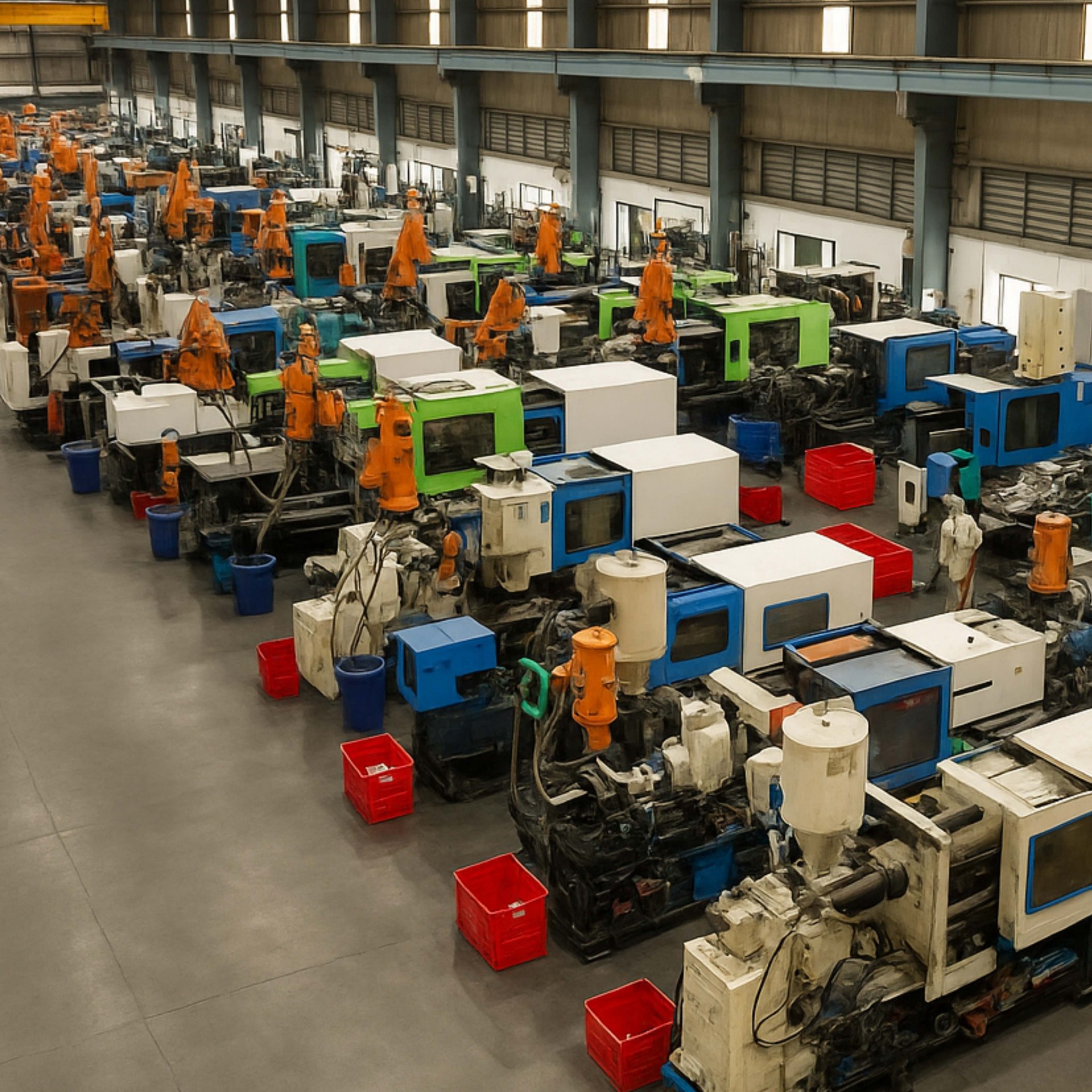
Injection Molding Unit with 50 Machines ranging between 60T-1200T
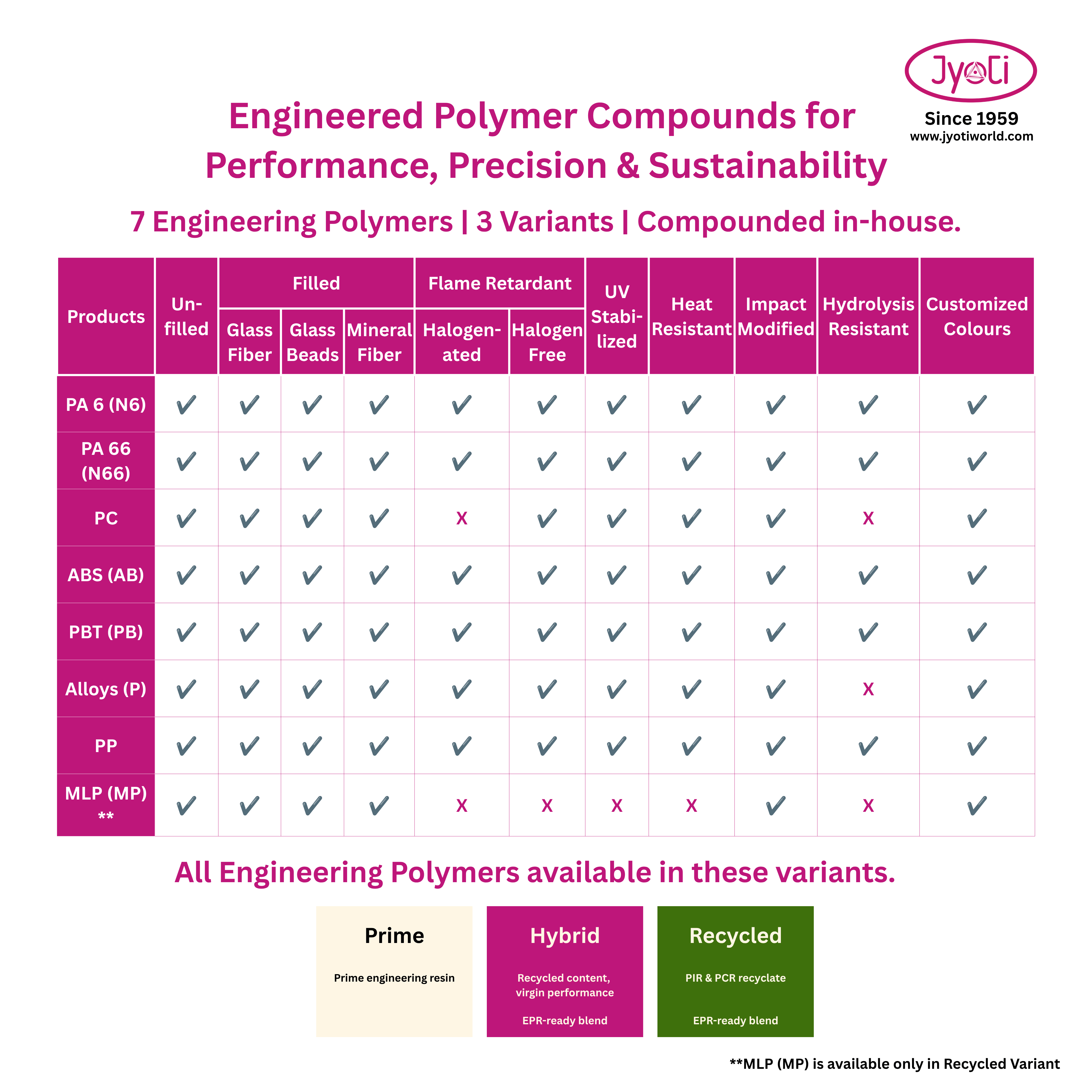
Polymer Compounds
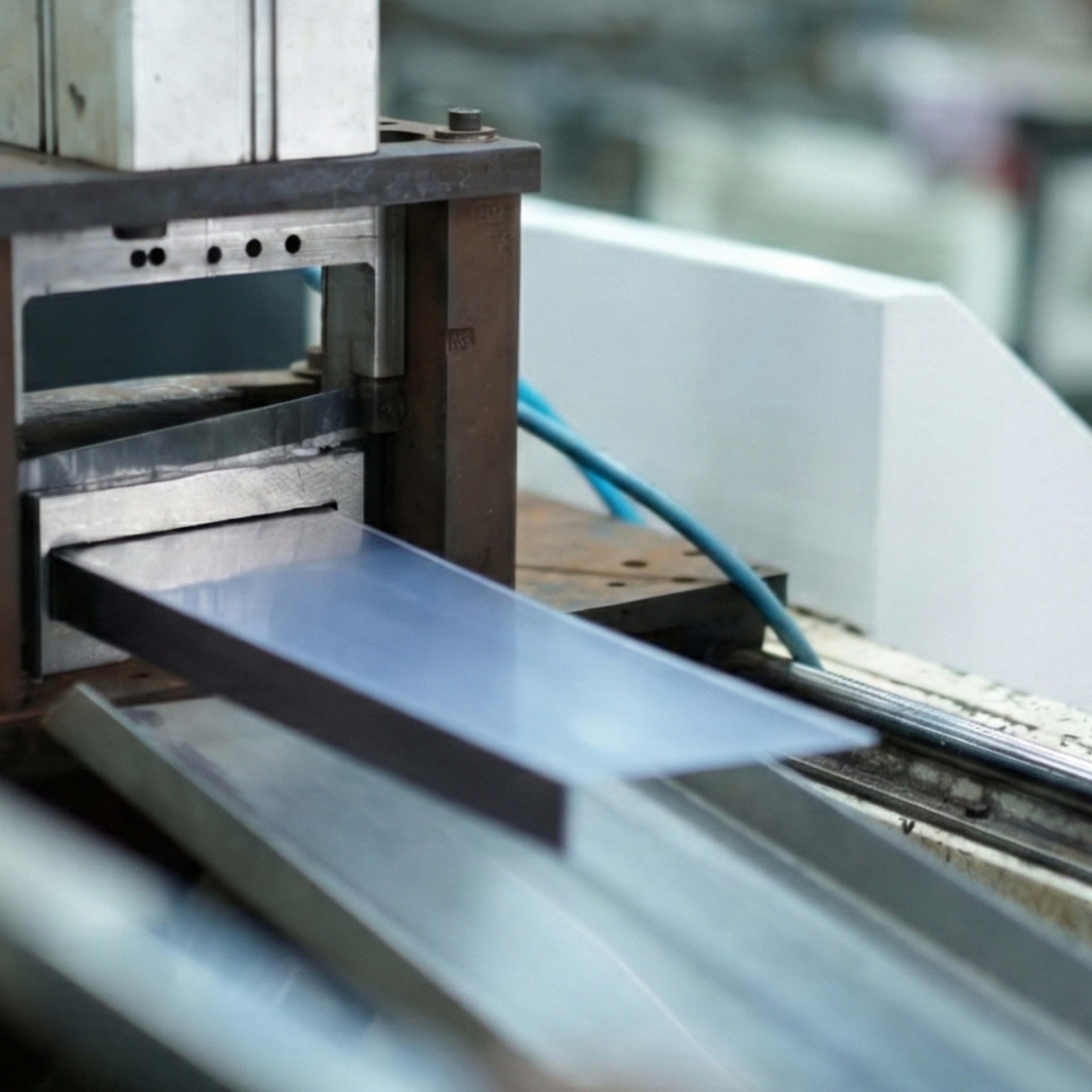
Plastic Profile Extrusion with 30+ Lines offering Mono, Twin and Tri Extrusion
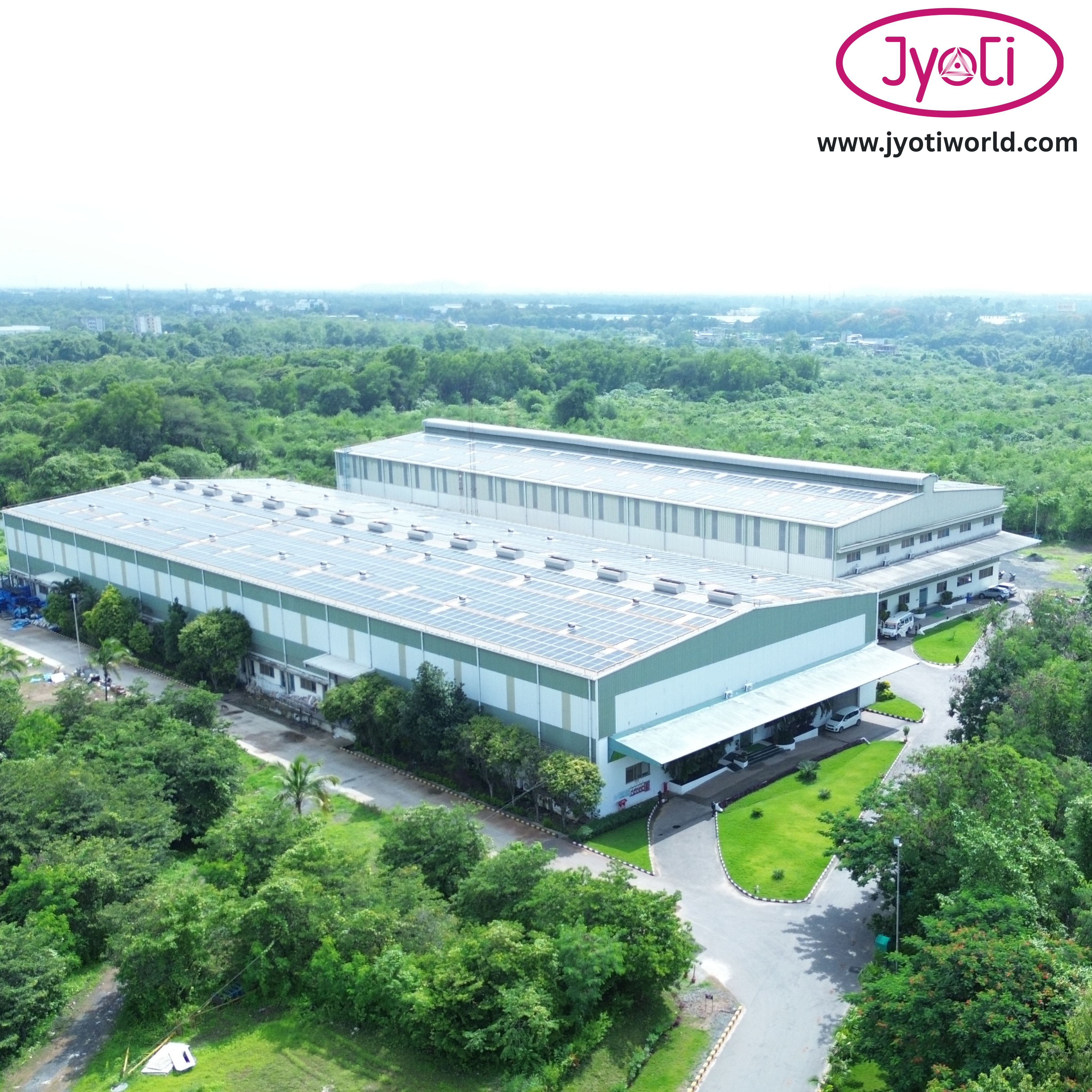
Jyoti World Plant Top View
Engineering plastics are supporting applications ranging from housings and enclosures to connectors, insulation and precision electronic components.
MUMBAI, MAHARASHTRA, INDIA, October 8, 2026 /EINPresswire.com/ -- India's rapid expansion in electronics manufacturing is driving a greater need for locally manufactured components, sub-assemblies, and materials. As the country's electronics ecosystem moves beyond final assembly toward greater domestic value addition, engineered plastics are becoming increasingly important in applications where mechanical, electrical, thermal and dimensional performance must be delivered consistently at production scale.
India's growing electronics production base and government initiatives to strengthen domestic component manufacturing are supporting this development. According to the Government of India, electronics production rose from about ₹1.9 lakh crore in FY2014-15 to ₹13.11 lakh crore in FY2025-26, while electronics exports rose from more than ₹38,000 crore to ₹4.24 lakh crore over the same period. The Electronics Components Manufacturing Scheme (ECMS) had approved 106 projects across 15 states by August 2026, representing approved investment of ₹69,548 crore across 30 electronic-domain products.
This shift has implications not only for electronic assemblies but also for the materials, components and manufacturing processes supporting them.
Engineering Plastics in the Electronics Value Chain:
Many electrical and electronic components require a combination of mechanical strength, dimensional stability, electrical insulation, flame resistance, thermal performance and resistance to chemicals or environmental conditions.
Engineering plastics such as PC, PC/ABS, ABS, PA6, PA66 and PBT can be formulated and processed for applications where combinations of these characteristics are required. Depending on the component and operating environment, these materials can be considered for applications including housings, enclosures, connectors, relay components, switchgear components, insulation components, sensor housings, lighting components and other functional electronic parts.
Material selection, however, is only one part of the engineering equation. The final performance of an injection-molded component can also depend on component geometry, tooling design, material formulation, processing conditions, cooling, dimensional control and production consistency.
This makes the relationship between engineering plastics, polymer compounding and precision injection molding increasingly important for electronics manufacturers.
From Material Selection to Precision Injection Molding:
For electronics components, dimensional consistency can be as important as the inherent properties of the polymer. Components may need to fit accurately within an enclosure, interface with another component, maintain electrical clearances or withstand repeated assembly operations. Variations in shrinkage, warpage, wall thickness or processing conditions can consequently affect downstream assembly and product performance.
Technical literature on engineering polymers used in electrical and electronic applications identifies properties such as dimensional stability, dielectric performance, mechanical strength, heat resistance and flame retardancy as important considerations for applications including connectors, electrical components and electronic housings. This means that material selection and molding should increasingly be viewed as connected engineering decisions rather than isolated procurement activities.
The Role of Polymer Compounding:
In-house polymer compounding can provide manufacturers with greater control over material formulation and allow material requirements to be considered alongside component and processing requirements.
Jyoti World Private Limited, an Indian integrated plastics manufacturing company established in 1959, combines polymer compounding, injection molding, tooling, profile extrusion, plastic machining and value-added assembly within its manufacturing infrastructure. The company's polymer capabilities include engineering and high-performance compounds, including formulations developed to meet requirements such as flame retardancy, heat stability, UV resistance, reinforcement, and recycled content.
Its injection molding operations support components ranging from smaller precision parts to large-format applications, with molding capacity extending to 1,200 tons, alongside 2K molding and In-Mold Labeling capabilities. The company also operates an in-house tool room supporting mold development and production.
“The growth of electronics manufacturing is creating a need for suppliers who understand the relationship between material, tooling and production,” said Dr. Raju Desai, Chairman and Managing Director, Jyoti World Private Limited. “For engineered plastic components, consistent performance depends on treating the polymer, mold and molding process as part of the same engineering system.”
Precision Components and Manufacturing Scalability:
The need for process consistency grows as electronics manufacturers increase production volumes. At higher volumes, relatively small variations in dimensions or processing conditions can translate into larger quantities of rejected or reworked components. Controlled tooling, stable processing parameters, material consistency, inspection and traceability therefore become important considerations.
Singapore illustrates the scale and sophistication of the wider electronics manufacturing ecosystem. Preliminary 2025 data from Singapore's Economic Development Board shows manufacturing output of approximately S$479.1 billion, with electronics accounting for 45.6% of total manufacturing output and precision engineering accounting for 11.8%.
Singapore's electronics and precision-engineering ecosystem includes semiconductor, electronics manufacturing services, and precision-component companies, creating demand for suppliers that can support technically demanding components and manufacturing processes. For Indian manufacturers seeking international OEM opportunities, such ecosystems represent potential markets for specialised engineering plastics and precision plastic components.
Engineering Plastics and Metal-to-Plastic Substitution:
The electronics sector is also one area where metal-to-plastic substitution can be evaluated for selected applications. Depending on the design and operating environment, engineered polymers can offer opportunities for weight reduction, electrical insulation, corrosion resistance, part consolidation and manufacturing efficiency.
Such substitution is not simply a matter of replacing one material with another. Mechanical loads, temperature, electrical requirements, chemical exposure, dimensional stability, tooling requirements and end-use conditions all need to be evaluated before a polymer component can be considered a suitable alternative.
This is where application engineering becomes important. For OEMs and component manufacturers, access to a manufacturing partner that can contribute to material development, tooling, molding and secondary manufacturing can help connect the design decision with commercial production requirements.
India's Electronics Manufacturing Ecosystem:
India's electronics manufacturing strategy is increasingly moving toward a broader domestic value chain involving finished products, sub-assemblies, components, materials and manufacturing capabilities.
The Government of India has described this progression as part of the development of a complete electronics manufacturing ecosystem, moving from finished products toward sub-assemblies, components and eventually machinery and tools. Press Information Bureau
The ECMS is similarly intended to strengthen domestic manufacturing of components and critical raw materials and reduce dependence on imported inputs. As of August 2026, 38 approved ECMS plants were already operational, with another 16 at advanced stages of construction or machinery installation.
For plastics manufacturers, this creates opportunities beyond conventional commodity components. The emerging requirement is for engineered plastic components that can meet defined mechanical, electrical, thermal and dimensional requirements while being manufactured consistently at commercial scale.
Jyoti World sees this development as an opportunity to support OEMs and industrial manufacturers through a combination of polymer engineering, tooling, injection molding, machining and assembly. The company's integrated manufacturing model is intended to support customers from material and product development through tooling and production, providing a coordinated manufacturing route for engineered polymer components.
About Jyoti World Private Limited:
Established in 1959, Jyoti World Private Limited is an Indian integrated plastics manufacturing company serving OEMs and industrial customers in India and international markets.
Its capabilities include polymer compounding, injection molding, profile extrusion, precision plastic machining, in-house tooling, product development and value-added assembly. Its injection molding infrastructure ranges from 60T to 1,200T and includes 2K molding and In-Mold Labeling capabilities.
The company works with commodity, engineering and high-performance polymers and supports applications requiring material engineering, process control and scalable production.
Jyoti World operates under ISO 9001, ISO 14001 and ISO 45001 management systems and has received an EcoVadis Bronze Rating and MSME Sustainable (ZED) Gold Certification.
Poorwal Oak
Jyoti World Private Limited
+ +91 84228 69122
Visit us on social media:
LinkedIn
YouTube
Facebook
Legal Disclaimer:
EIN Presswire provides this news content "as is" without warranty of any kind. We do not accept any responsibility or liability for the accuracy, content, images, videos, licenses, completeness, legality, or reliability of the information contained in this article. If you have any complaints or copyright issues related to this article, kindly contact the author above.
