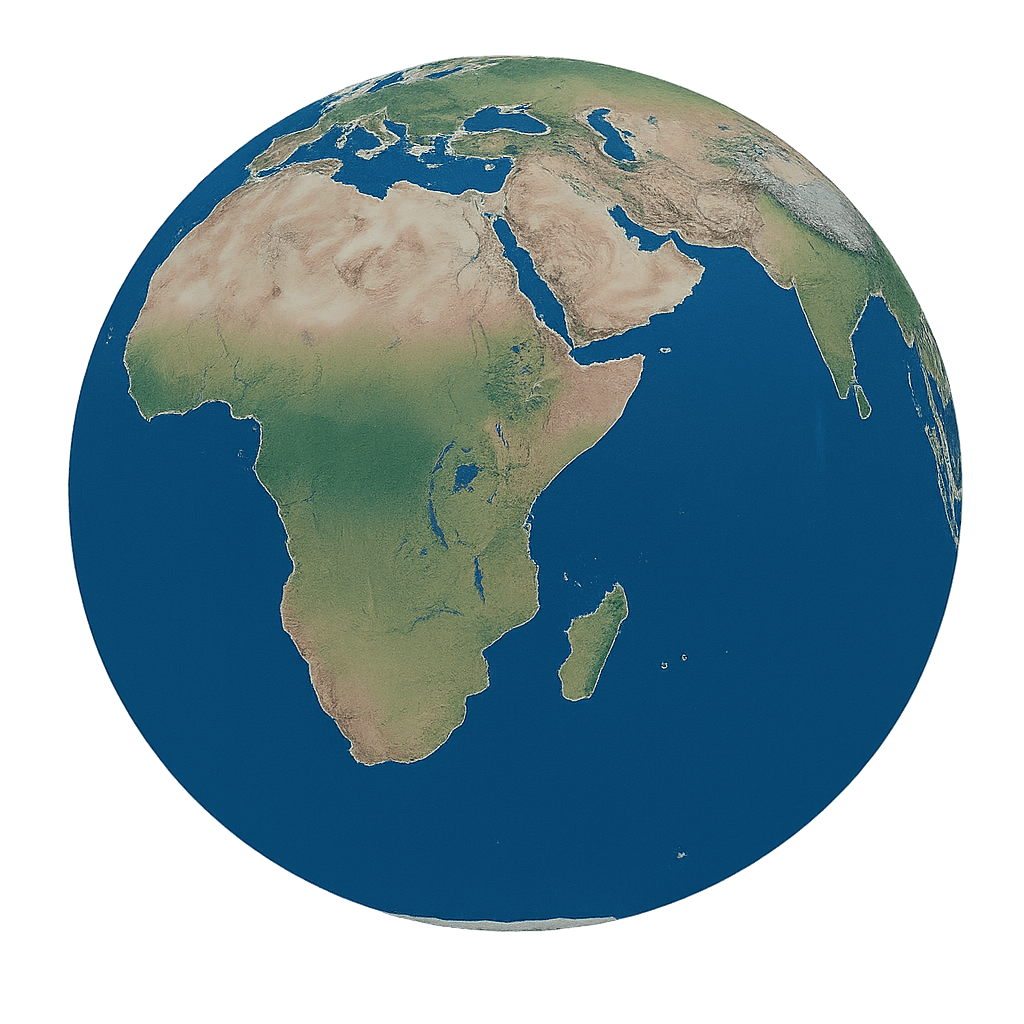

Line Producer India: How Regional Production Hubs Drive Nationwide Film Execution
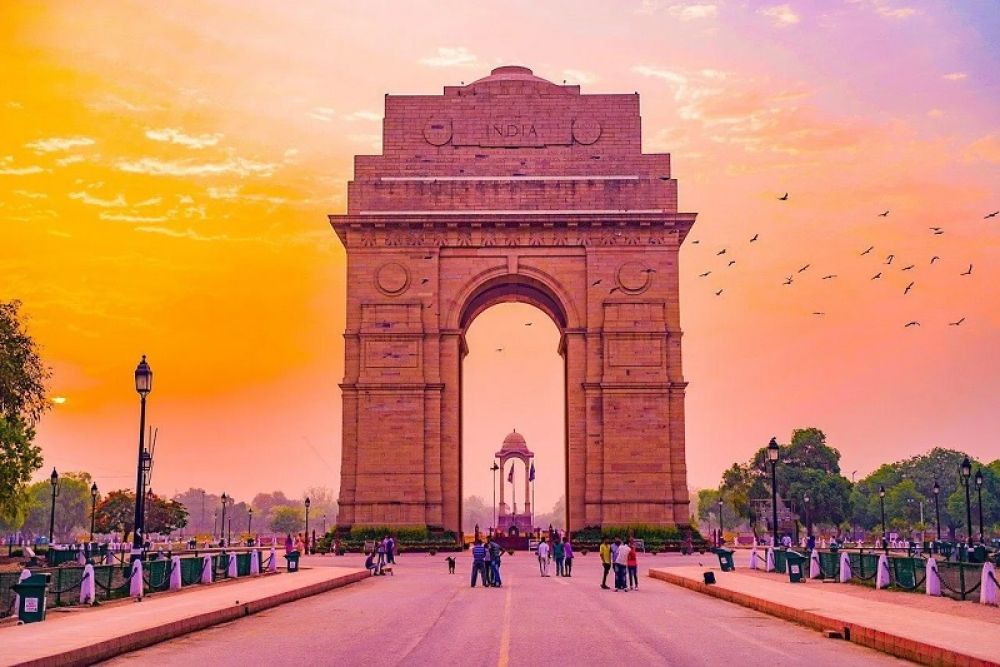
Line Producer India coordinating multi-city film production across Mumbai, Delhi, Rajasthan, and key regional hubs.

Aerial drone view of Mumbai’s urban skyline, a major hub for film and media production

Historic heritage fort in Rajasthan, a frequently used location for film and television productions
ndia’s line production model highlights Mumbai, Delhi, Rajasthan, Goa, and South India as core execution hubs for global filming.
MUMBAI, MAHARASHTRA, INDIA, January 8, 2026 /EINPresswire.com/ -- India’s film and media production landscape continues to evolve as international studios, OTT platforms, and advertising networks increasingly rely on regional execution models rather than single-city operations. At the center of this shift is the role of the line producer in India, whose responsibilities now extend far beyond budgeting and scheduling into multi-region coordination, compliance management, and on-ground execution across diverse production hubs.
Rather than operating from a single base, line production in India functions through a distributed hub system. This model allows productions to combine the strengths of India’s major metropolitan centers with region-specific location advantages, enabling efficient nationwide execution without compromising creative or logistical control.
Mumbai and Delhi remain the operational mainstays of this ecosystem. Mumbai continues to anchor studio-based production, post-production infrastructure, talent pools, and advertising workflows, while Delhi functions as a strategic coordination hub for equipment sourcing, government liaison, multi-city crew deployment, and inter-state movement. Together, these cities form the backbone of large-scale production planning and execution.
Alongside these metropolitan hubs, Rajasthan has emerged as one of India’s most in-demand filming regions, particularly for international productions seeking architectural scale, desert landscapes, and heritage environments. Cities such as Jaisalmer, Jodhpur, Pushkar, and Ajmer are frequently utilized for historical films, global commercials, OTT series, and stand-in locations for Middle Eastern and Central Asian settings.
To support this demand, location fixing and execution workflows in Rajasthan are increasingly supplemented by remote scouting repositories, allowing international producers to evaluate locations digitally before committing to on-ground recce. This approach reduces upfront costs, accelerates decision-making, and enables tighter scheduling—especially valuable for productions operating across multiple Indian states.
Beyond Rajasthan, Goa continues to serve as a preferred hub for international advertising films and short-format content, offering streamlined permissions, coastal environments, and efficient shoot timelines. In South India, regions such as Hyderabad, Kerala, and Tamil Nadu contribute studio infrastructure, technical crews, backwater and hill locations, and weather-diverse shooting windows, supporting both domestic and international projects.
Eastern India, particularly the West Bengal cluster, adds another layer to this nationwide grid, providing colonial-era architecture, urban density, and culturally specific environments that are increasingly featured in independent cinema and global OTT productions.
What ties these regions together is not centralization, but execution-led coordination. A line producer in India operates by aligning regional teams with national workflows—ensuring compliance with state-specific regulations, synchronizing logistics across cities, and maintaining financial and operational discipline throughout the production lifecycle.
This hub-and-spoke model has become especially critical as international productions demand:
• Predictable execution across multiple Indian states
• Clear compliance and permitting pathways
• Cost transparency and budget ownership
• Local crew integration without operational fragmentation
As India strengthens its position as a global production destination, the emphasis is shifting from location discovery alone to execution reliability at scale. Regional hubs such as Mumbai, Delhi, Rajasthan, Goa, and South India are no longer standalone markets—they are interconnected components of a nationwide production framework.
The continued growth of India’s film, OTT, and advertising sectors underscores the importance of structured line production as a foundational layer of the industry. By combining metropolitan infrastructure with region-specific execution expertise, line producers in India enable productions to move fluidly across locations while maintaining creative intent, budget control, and operational continuity.
As international interest in Indian locations accelerates, the success of future productions will increasingly depend on how effectively these regional hubs are coordinated—making execution-driven line production a defining force in India’s evolving media and entertainment landscape.
George Jason
Helis International
email us here
On-location filming across India’s heritage sites and natural landscapes, showcasing real production environments and regional execution workflows.
Legal Disclaimer:
EIN Presswire provides this news content "as is" without warranty of any kind. We do not accept any responsibility or liability for the accuracy, content, images, videos, licenses, completeness, legality, or reliability of the information contained in this article. If you have any complaints or copyright issues related to this article, kindly contact the author above.
